Signs Your Toddler Is Ready for a Printable Workbook
The Age Range Is a Guideline, Not a Deadline
Printable workbooks for toddlers are everywhere, often labeled “ages 2-4” or “ages 3-5” as if readiness arrives on a fixed schedule. In reality, readiness for structured activities like tracing, matching, and simple worksheets depends far more on individual development than on age alone.
Introducing workbook-style activities too early can turn something meant to be fun into a frustrating experience for both of you. Here’s what to actually watch for.
Sign One: They Can Sit With a Task for a Few Minutes
Structured activities require a bit more sustained attention than open-ended play. If your toddler can sit through even three or four minutes of an activity like stacking blocks by size or completing a simple puzzle, that’s a good early sign that a short worksheet-style task is within reach — not a 20-minute session, just a few focused minutes.
Sign Two: They Show Interest in Letters, Numbers, or Colors Unprompted
If your toddler points at letters on a cereal box and asks what they say, or counts things spontaneously while playing, that curiosity is worth following. Workbooks work best when they follow a child’s existing interest rather than trying to create interest from scratch.
Sign Three: Their Fine Motor Skills Support Holding a Crayon

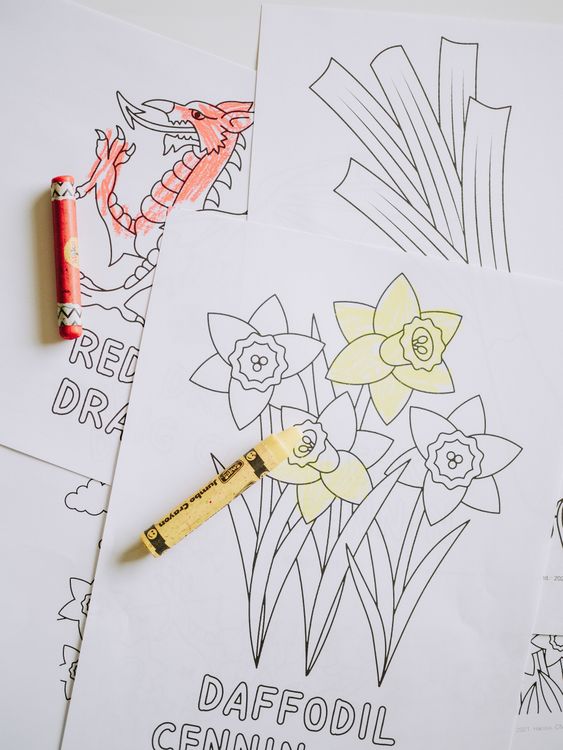
Tracing and coloring require a certain amount of hand strength and control. If your toddler can hold a crayon with something resembling a grip (not necessarily a proper pencil grip yet) and make intentional marks rather than just scribbling wildly, they likely have the fine motor foundation for simple worksheet activities.
Sign Four: They Tolerate “Almost Right” Without Melting Down
Worksheets involve a small amount of built-in correction — a line that should connect, a shape that should match. If your toddler can handle a gentle “let’s try that again” without derailing into frustration, that emotional regulation piece matters as much as the cognitive readiness.
What to Do If They’re Not Quite There Yet
If a few of these signs aren’t showing up yet, that’s not a delay — it’s just information. Keep leaning into open-ended play, books, and hands-on activities like sorting and stacking, all of which build the exact skills that eventually make structured activities click. You can always try a single simple page and see how it goes; if it’s a struggle, set it aside and try again in a month or two.
CDC’s resources for families include interactive checklists with photo and video examples of developmental milestones, which can help you get a clearer read on where your toddler stands beyond just the workbook question.
Starting Small When They Are Ready
Once the signs are there, start with short, low-stakes activities — a single tracing page or matching game, not a full workbook in one sitting. Following their lead on pacing keeps the experience positive, which matters more long-term than how quickly they move through the material.
If pretend play has been more your toddler’s speed lately, How Pretend Play Builds Real-World Skills in Toddlers is worth a read — it’s just as valuable a stage.
When you’re ready to explore structured options, our store for kids has printables designed to grow with your child, not rush them.