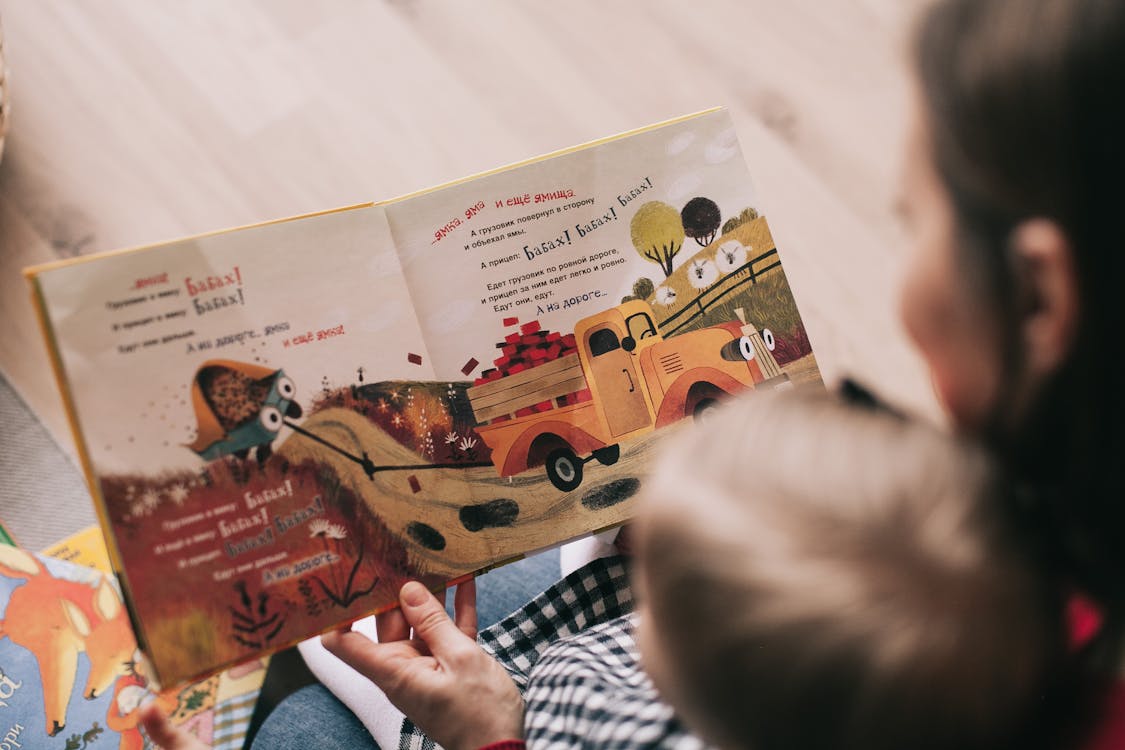
Reading Aloud to Toddlers: Why 10 Minutes Matters
Ten Minutes That Outweigh the Toys
If you had to choose one activity to protect on even the busiest days, reading aloud to your toddler would be hard to beat. Not because it’s flashy — it’s about as low-tech as parenting gets — but because of what it quietly builds every single time you do it.
Ten minutes doesn’t sound like much. For a toddler’s brain, it’s doing more heavy lifting than almost anything else in your day.
What’s Actually Happening While You Read
Toddlers hear far more sophisticated vocabulary in books than in typical daily conversation. A sentence about a bear “lumbering slowly toward a cave” simply doesn’t come up when you’re asking about snack preferences. That exposure to richer language patterns builds vocabulary faster than conversation alone.
Reading aloud also builds:
- Attention span — sitting through even a short story practices sustained focus, a skill toddlers are just beginning to develop.
- Print awareness — noticing that the squiggles on the page correspond to the words you’re saying is an early, essential pre-reading skill.
- Emotional vocabulary — story characters get scared, excited, and disappointed, giving your toddler language for feelings they’re experiencing themselves.
- Connection — the physical closeness of story time is doing relationship-building work alongside the cognitive work.
Why Consistency Beats Length

You don’t need a 45-minute chapter book session to make this count. Ten focused minutes, done daily, builds far more than an occasional 30-minute marathon. Toddlers also genuinely benefit from hearing the same book repeatedly — what feels tedious to you as the tenth read of the week is, for them, valuable pattern recognition and prediction practice (“I know what happens next!”).
If you’re tracking how your toddler’s language is developing more broadly, CDC’s milestones and schedules resources follow a child’s growth from age two months through five years, which can help you see how reading fits into the bigger picture.
Making It Work on the Hard Days
Some nights, ten minutes feels impossible. On those days, it’s worth remembering that reading aloud doesn’t have to happen at bedtime — a book during breakfast, in the car (audio counts too), or waiting for water to boil all add up. The goal is regular exposure, not a perfect ritual.
A few low-effort ways to protect the habit:
- Keep a small basket of books in whatever room you spend the most time in, so a book is always within arm’s reach.
- Let your toddler “read” to you — narrating pictures in their own words builds the same skills in reverse.
- Don’t feel obligated to finish a book if attention wanders; a few pages still counts.
A Small Investment With a Long Payoff
The habits you build now — a shared book, a familiar voice, a few quiet minutes — are laying down literacy groundwork years before your child will start sounding out words on their own. It’s one of the simplest, cheapest, most research-backed things you can do.
If you’re building out a home library with your toddler’s stage in mind, Signs Your Toddler Is Ready for a Printable Workbook is a natural next read.
Browse story-based printables and early literacy tools in our store for kids.