
Teaching Kids About Money: Early Financial Literacy for Toddlers
Why Financial Literacy Starts Earlier Than You Think
Research from the University of Cambridge found that money habits and attitudes are largely formed by age 7. That's not to create pressure — it's to open the door to the profound opportunity that exists in your child's early years to build a healthy, confident relationship with money before the world has a chance to make them afraid of it or confused by it. And the best part? Financial literacy for toddlers and young children doesn't look like lectures. It looks like play.
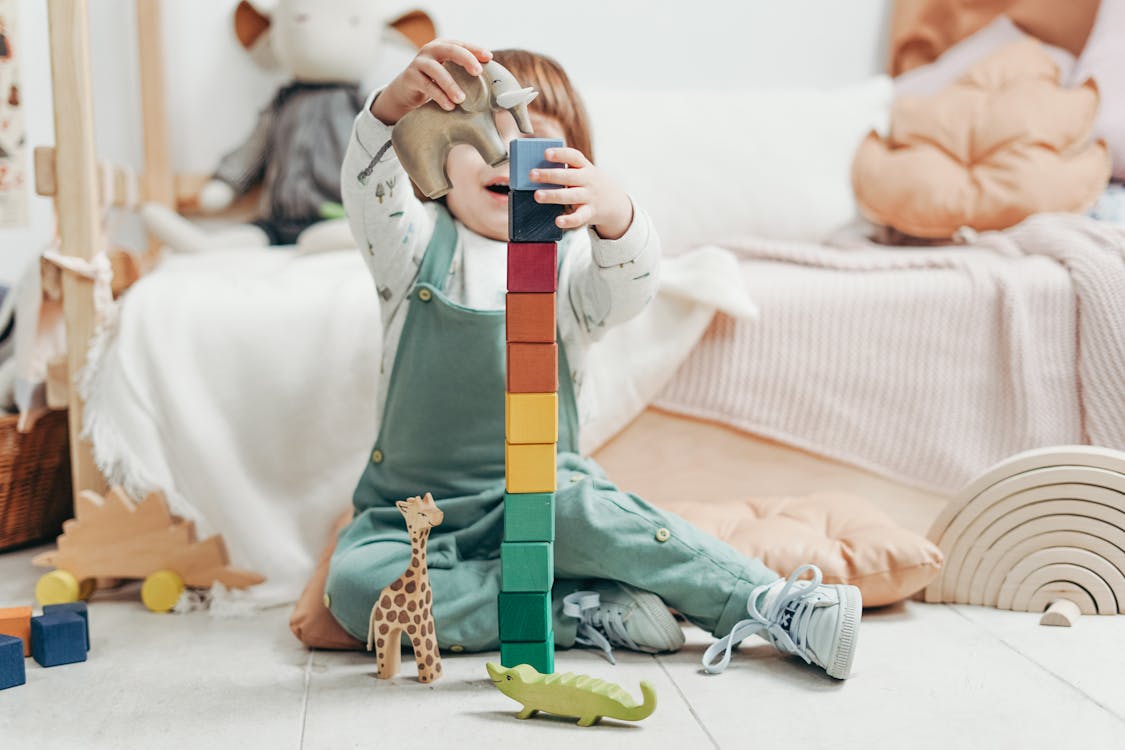
Age-Appropriate Financial Concepts for Children Ages 1–5
Ages 1–2: Money Exists
At this stage, the goal is simple sensory familiarity. Let your child handle coins (supervised, no swallowing hazard) and bills. Talk casually about paying for things: 'Mommy is paying for the bananas with money.' This early exposure normalizes money as a real, present part of daily life — not a mysterious or taboo subject.
Ages 2–3: Money Is Used to Buy Things
Children this age can understand the concept of exchange — you give money, you receive something in return. At the grocery store or market, involve them: 'We need to pay for this.' Use play scenarios with toy money to reinforce this understanding in a playful way. Pretend store setups are fantastic at this age.
Ages 3–4: We Choose How to Spend Our Money
Introduce choice. 'We have enough money for one treat. Would you like the cookie or the juice?' This simple decision-making exercises the cognitive muscles of prioritization and trade-off — core financial literacy concepts at any age.
Ages 4–5: Saving Up for Something You Want
A visible savings container — a clear jar, a transparent piggy bank — teaches the concept of accumulation and delayed gratification. Help your child set a small savings goal for something they want, add to their jar regularly, and celebrate when they reach it. This experience, repeated, builds the saving habit before formal money education ever begins.
The Most Important Thing You Can Model
Children learn money attitudes primarily from watching the adults around them. Speaking about money calmly, making spending decisions transparently, acknowledging when money is limited without creating anxiety — these everyday behaviors are the most powerful financial literacy curriculum your child will ever receive. If you'd like to go deeper here, the CDC's developmental milestones guide is worth a look: read more here. And if this resonated, you might also like our post on Teaching Toddlers Colors, Numbers, and Shapes at Home.
Learning Tools Designed for Little Minds That Are Ready to Grow
Shop Kids Collection