Raising Curious Kids: Early Learning Tips for Toddler Moms
Curiosity Is the Superpower You Already Have Access To
Every toddler is born curious. The way they pull apart toys to see what's inside, taste-test everything within reach, ask 'what's that?' about every single thing they encounter — that's not a developmental quirk. It's the raw material of intelligence, creativity, and lifelong learning. Your job as a mom isn't to fill a blank slate with information. It's to protect and nurture the curiosity that's already there.
What the Research Says About Early Learning and Curiosity
Studies in early childhood development consistently show that curiosity-driven learning — learning initiated by the child's own interest and questions — is retained more deeply and applied more flexibly than instruction-driven learning. A toddler who discovers through exploration that ice is cold and wet learns more than a toddler who was told ice is cold and wet. The implication for parents: create environments for discovery, and follow your child's lead.
Five Ways to Nurture Curiosity in Toddlers Every Day
1. Answer Questions with Questions
When your toddler asks 'why does the moon come out at night?' resist the temptation to immediately give the answer. Try: 'What do you think?' This doesn't mean withholding information — it means inviting them to think first, which is more powerful for learning than passive receiving.
2. Give Them Permission to Explore Safely
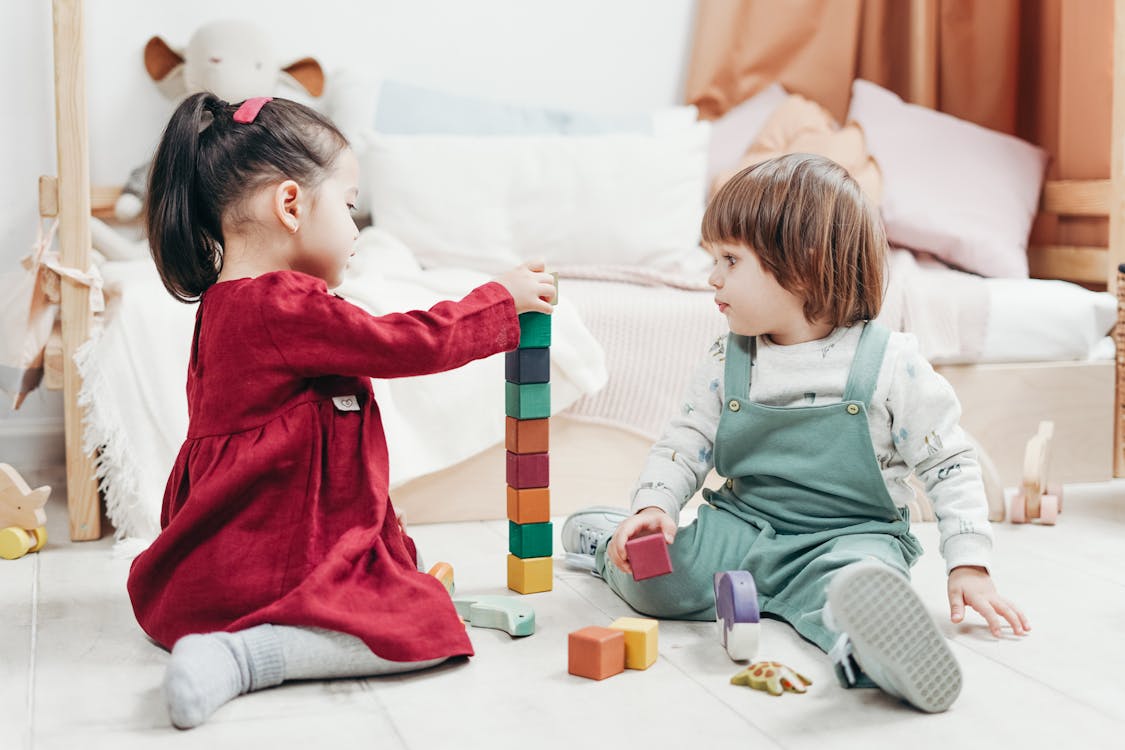
Toddlers learn primarily through physical interaction with their environment. Rather than restricting exploration for tidiness, create designated areas where they can dig, pour, build, mix, and make a mess. A sensory bin (rice, water, sand, pasta) hours of curious engagement for minimal cost.
3. Read Books That Ask Questions
Choose books that present wonder, not just facts. Books with open-ended illustrations, questions embedded in the text, or stories that leave room for discussion build language skills, comprehension, and the habit of wondering.
4. Take Learning Outside
Nature is the world's greatest curiosity curriculum. Rocks, leaves, bugs, puddles, shadows, clouds — all of it is an invitation to wonder and observe. A ten-minute walk with a curious toddler and a patient parent is more educational than most structured learning activities.
5. Use Educational Printables to Anchor and Reinforce
Printable learning activities give curious toddlers something to hold, trace, match, and color — grounding their wonder in hands-on engagement. The best printables aren't worksheets to be completed correctly; they're prompts to explore, discuss, and return to. If you'd like to go deeper here, the CDC's developmental milestones guide is worth a look: read more here. And if this resonated, you might also like our post on The Power of Printable Learning for Toddlers: Why It Works.
Beautifully Designed Learning Tools for Your Curious Little One
Shop Kids Collection