DigiKnow: Active Learning — Why Toddlers Need Play, Not Just Worksheets
DigiKnow: Active Learning — Why Toddlers Need Play, Not Just Worksheets
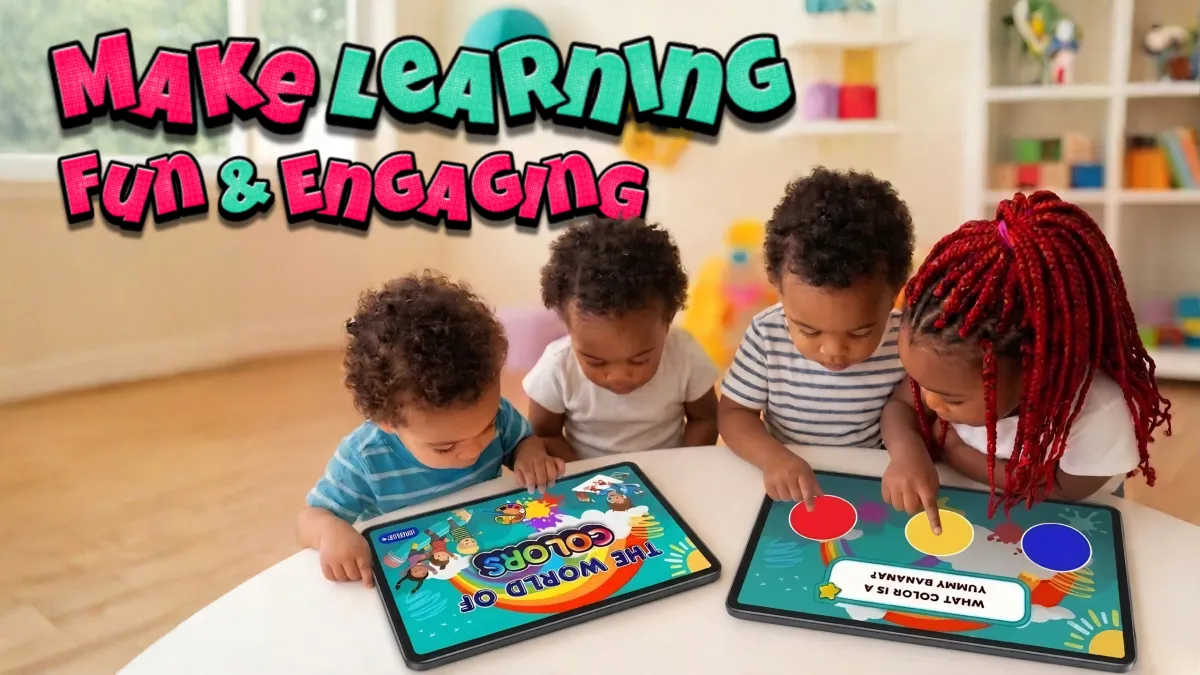
Toddlers learn best through play, exploration, and everyday experiences, not long worksheets or structured lessons. At this stage, their brains are rapidly developing, and the most effective learning happens when they are actively engaged and having fun.
While worksheets can support learning in small amounts, they should never replace hands-on play. For toddlers, play is learning.
Why Play-Based Learning Matters
Toddlers have short attention spans and learn best when they can move, touch, and interact with their environment. Play naturally supports how their brain develops during this stage.
Through play, toddlers can:
Develop creativity and imagination
Strengthen problem-solving skills
Build communication and social abilities
Improve fine and gross motor skills
Learn concepts without pressure or stress
When learning feels like play, children become more curious, confident, and willing to explore.
Learning Happens in Everyday Moments
You don’t need formal lessons to teach toddlers. In fact, everyday routines are some of the best learning opportunities.
🌈 Colors in Daily Life
Instead of flashcards or worksheets, teach colors through real objects:
“Can you find something red in the room?”
“Let’s wear your blue shirt today.”
“Look at the yellow banana!”
This helps toddlers connect learning with real-world experiences.
🔢 Counting in Simple Activities
Counting can be naturally included throughout the day:
Count toys during cleanup time
Count steps while going upstairs
Count fruits while grocery shopping
These small moments build early number awareness without pressure.
🧩 Sensory and Hands-On Play
Activities like blocks, play dough, water play, coloring, and shape sorting help toddlers:
Explore textures and movement
Develop coordination
Strengthen focus and attention
Express creativity
The Goal Is Engagement, Not Perfection
At this stage, toddlers do not need perfect handwriting, memorization, or long study sessions.
What matters most is:
curiosity
exploration
participation
enjoyment
If a toddler is engaged and interacting with their environment, they are learning.
Worksheets vs. Play: Finding the Balance
Worksheets are not harmful, but they should be used as a support tool, not the main method of learning.
A healthy approach includes:
Short, simple worksheet activities (optional)
A lot of hands-on play
Real-life learning experiences
Balance helps toddlers develop skills naturally without pressure or burnout.
Final Thoughts
Toddlers learn best when learning feels like discovery, not instruction. By turning everyday moments into playful experiences, parents can support early development in a way that feels natural and enjoyable.
At the heart of it, the message is simple:
Play is not a break from learning, it is how toddlers learn best.